Urgemy: design and quality
Functional analysis, QA/UAT, targeted automation and leadership of four direct reports. The consolidated UAT matrix is the successful deliverable.
- Period
- TecnoAI · 2026
- My contribution
- Functional analysis, QA/UAT and leadership
- Outcome
- Consolidated UAT matrix
ONE PRODUCT, THREE PERSPECTIVES
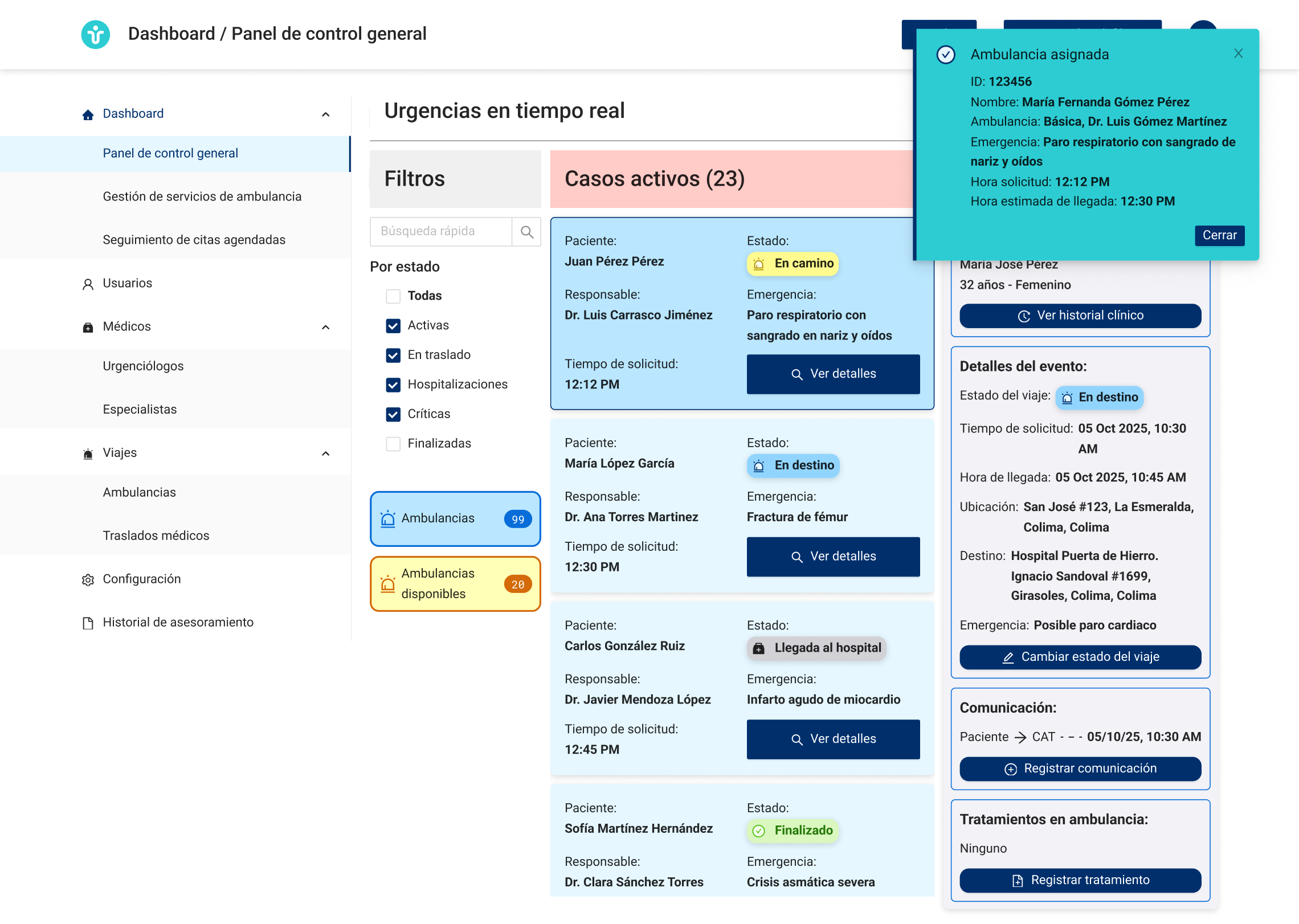
Urgemy connects patients, specialists and operational staff. One screen from each role illustrates the relationship between user flows, expected behavior and functional validation. The selected interfaces provide context for the product and the design team’s work.
My responsibility included clarifying requirements, translating operational needs into business rules and acceptance criteria, coordinating tests, documenting issues and revalidating fixes with development.
A SHARED REFERENCE FOR ACCEPTANCE
I created and consolidated the UAT matrix by module and user role, organizing scenarios, steps, acceptance criteria, expected outcomes and evidence.
This gave the team a shared reference to distinguish successful journeys, failures and blockers, track corrections and assess product readiness.
TESTING WITH EVIDENCE
I coordinated functional tests for appointments, memberships, payments, clinical records and ambulance services. API checks covered JSON structure, data integrity, response times, status codes, authentication and error handling.
I automated specific scenarios with JavaScript, Playwright Test and Node.js, complemented by Python, ADB and UI Automator for Android. Tests ran on demand in local and QA environments with test accounts, HTML reports, failure screenshots and recorded responses.
LEADING PEOPLE AND DECISIONS
During the last six months, I led four direct reports: two QA analysts, a developer and a UI designer. I coordinated assignments, priorities, deliverable reviews, training and performance follow-up.
I held weekly client meetings and checked progress against the development matrix to clarify needs and follow up on agreements.
SUCCESSFUL DELIVERABLE · CONSOLIDATED UAT MATRIX
I completed the consolidation of the UAT matrix, organizing 41 test items with criteria, outcomes and evidence. My contribution turned test observations into structured, verifiable information for product decisions.
The matrix was a successful project deliverable. Each test item retains its documented outcome; completion of the matrix does not mean that all product journeys passed.
TRACEABILITY · C02 SNAPSHOT
The matrix was updated on November 3, 2026. It preserves the October 28 executions separately from later revalidation. The screens below connect to CIT-01, CIT-02 and CAT-01, distinguishing expected behavior, observations and test scope.
A shared dependency can prevent several journeys. These statuses are not counted as independent defects and do not establish regressions between versions with different test contexts.
Design and evidence